




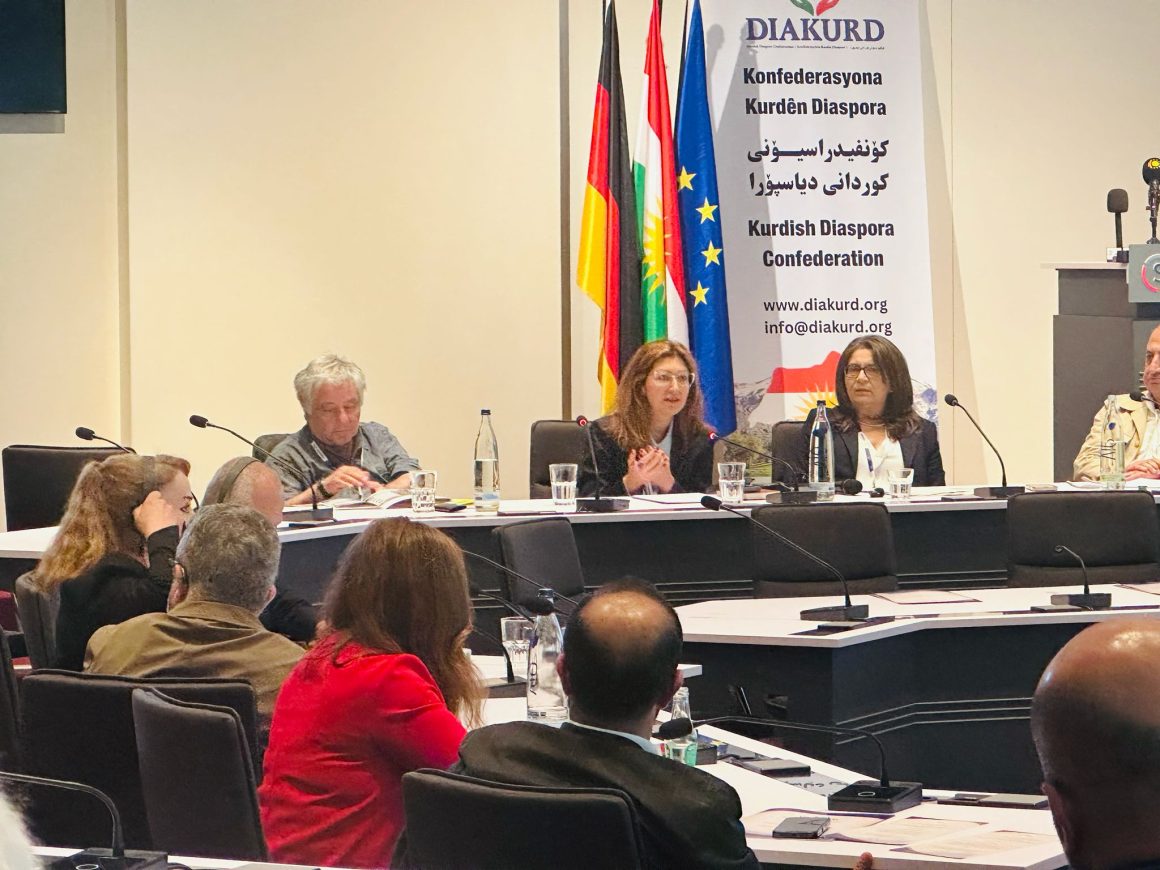
An international conference held in Bonn opened a discussion on the new directions of the Kurdish diaspora in Europe, which is evolving from a struggle for visibility and identity toward institutionalization, knowledge production, and the capacity for transnational influence.
POLITICAL RISK ANALYSIS
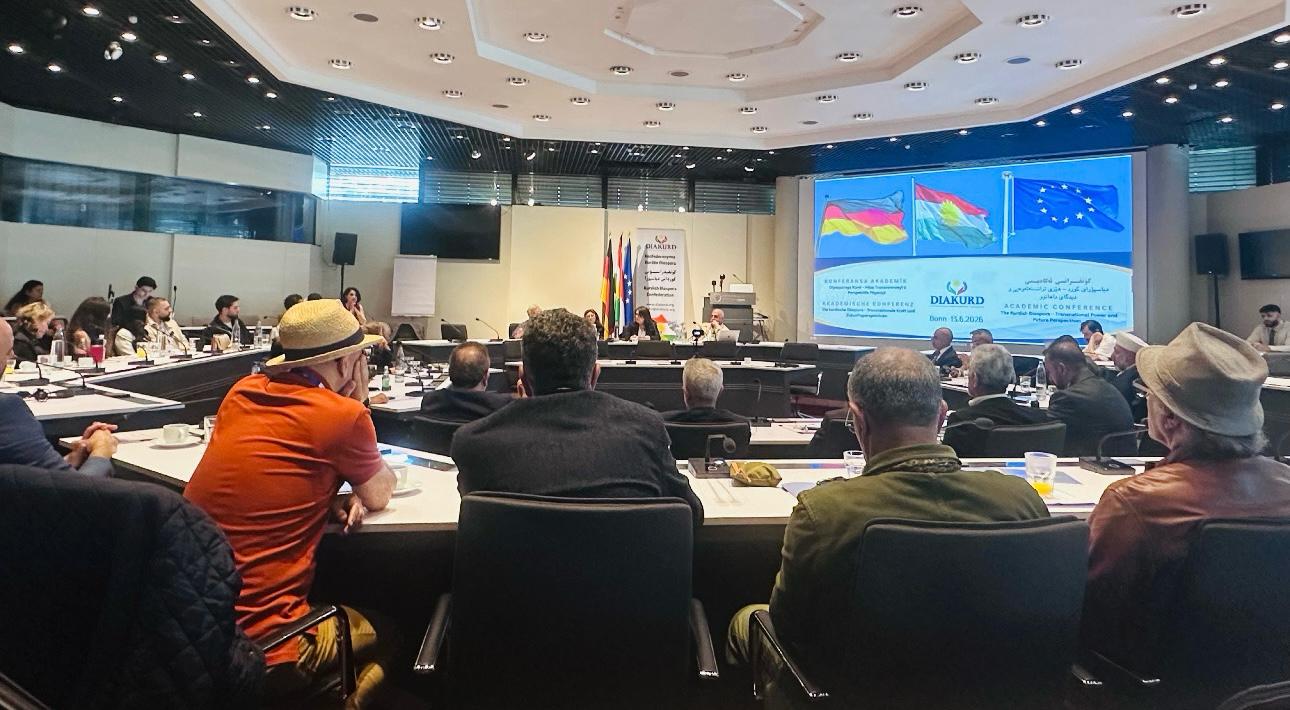
The conference titled “The Kurdish Diaspora: A Transnational Force and Future Perspectives,” held in Bonn, Germany, served as an important academic and social platform for assessing the current status and future directions of the Kurdish diaspora in Europe. Held at the Wissenschaftszentrum Bonn, the event went beyond being merely a conference, providing an opportunity to analyze the transformation the Kurdish diaspora in Europe has undergone over the past half-century and to discuss the new opportunities ahead.
Bringing together academics, diaspora representatives, civil society actors, media professionals, and participants from various professional backgrounds, the conference centered on a single question: Can the Kurdish diaspora in Europe move beyond its historical role—shaped by the struggle for identity and visibility—to develop institutional capacity, build transnational networks, and become an influential actor on the international stage?
This question is not merely about the future of the Kurdish diaspora. It also points to one of the central debates at the heart of contemporary diaspora studies. The literature on diaspora and transnationalism that has developed over the past thirty years has demonstrated that diasporas can no longer be viewed merely as immigrant communities or spheres of cultural belonging. Today, diasporas are regarded as transnational actors that generate knowledge, mobilize economic resources, foster international relations, and establish multilayered connections between their host societies and their countries of origin.
The discussions in Bonn indicate that the Kurdish diaspora in Europe is also on the threshold of a similar transformation process. After nearly half a century of migration experience, the diaspora’s agenda is no longer limited solely to preserving identity and gaining visibility. Issues such as institutionalization, professionalization, knowledge production, economic partnerships, diplomatic visibility, and transnational coordination are increasingly taking center stage.
For this reason, the true significance of the Bonn Conference lies not so much in its assessment of the Kurdish diaspora’s current state, but rather in its initiation of a discussion on a new paradigm regarding what kind of actor the diaspora could become in the future. The consensus that emerged throughout the conference was that the diaspora must evolve from an identity-based mobilization space into a structure capable of generating institutional capacity and international influence.
The fact that this transformation was discussed in Bonn also carries symbolic significance. As a key hub in shaping Kurdish political, cultural, and intellectual activities in Europe, Bonn holds a special place in the collective memory of the Kurdish diaspora. In this regard, the conference serves as a bridge between the experiences of the past and the strategic pursuits of the future.
The Changing Character of the Diaspora
The historical development of the Kurdish diaspora in Europe has been shaped largely by exile, forced migration, collective memory, and the struggle for identity. The waves of migration, particularly those of the 1980s and 1990s, were among the key dynamics that defined the political and social character of the diaspora.
During this period, the priority was preserving Kurdish identity, defending cultural rights, and bringing the Kurdish issue to the attention of the international public. Associations, cultural centers, media outlets, and human rights networks established in Europe played significant roles in increasing the diaspora’s visibility. For many years, the legitimacy and effectiveness of the diaspora were also assessed largely through these functions.
Today, however, we are faced with a different picture. While identity and collective memory remain among the fundamental components of the diaspora, they are no longer the sole determining factors. New generations—born and raised in Europe, educated at the university level, and having built careers in various professional fields—are bringing new priorities to the diaspora’s agenda.
In this new era, concepts such as institutional capacity, professional networks, knowledge production, economic partnerships, international representation, and strategic coordination are coming to the fore. Thus, the diaspora is evolving from being merely a custodian of an identity that needs to be preserved into a social space capable of generating knowledge, relationships, and influence.
This is the fundamental transformation highlighted by the discussions held throughout the conference. While the primary issue in the past was visibility and recognition, today the main challenge is transforming that visibility into sustainable impact. Therefore, the new threshold facing the Kurdish diaspora is not to abandon identity politics, but to complement it with institutional capacity.
Human Capital and the Institutionalization Dilemma
One of the topics most frequently addressed during the conference was the mismatch between the Kurdish diaspora’s human capital and its institutional capacity.
Today, there are Kurdish academics, lawyers, doctors, engineers, entrepreneurs, artists, politicians, and civil society representatives working in many European countries. This situation points to one of the highest levels of educational and professional capacity the Kurdish diaspora has historically achieved.
Nevertheless, conference participants noted that this capacity has not yet been transformed into strong and sustainable institutions. While there are numerous individuals who have achieved success in various fields, it was emphasized that coordination mechanisms capable of mobilizing this collective expertise toward common goals remain limited.
At this point, the concept of social capital takes on greater significance. Social capital is not merely the sum of individual achievements, but the capacity to organize these achievements toward common goals. This is one of the fundamental challenges facing the Kurdish diaspora today: transforming its strong human resources into lasting institutional structures.
For this reason, the issue of institutionalization was not addressed at the conference merely as an organizational matter. Rather, it was assessed as a strategic area that will determine the diaspora’s future political, cultural, and intellectual influence.
References to the Jewish, Armenian, Indian, and Albanian diasporas during the discussions were also meaningful in this context. A common feature highlighted in these examples is that these diasporas are not merely bearers of historical memory; they are also capable of generating institutional power through research centers, think tanks, foundations, economic networks, and professional representation mechanisms.
Consequently, the fundamental question facing the Kurdish diaspora is clear: Can its human capital and accumulated knowledge be transformed into sustainable institutional structures?
The Evolving Role of the Diaspora in the Kurdish Issue
One of the conference’s most notable sessions, the panel titled “The Role of the Kurdish Diaspora in the Kurdish Issue,” focused on the relationship between the diaspora’s past functions and the roles it could assume in the future.
Moderated by Prof. Dr. Cinur Ghaderi, the panel featured Prof. Dr. Hamit Bozarslan, Prof. Dr. Bahar Baser, and Dr. Yasar Abdulselamoglu, who emphasized that the diaspora should be viewed not merely as a repository of the past’s memory but as a strategic actor for the future.
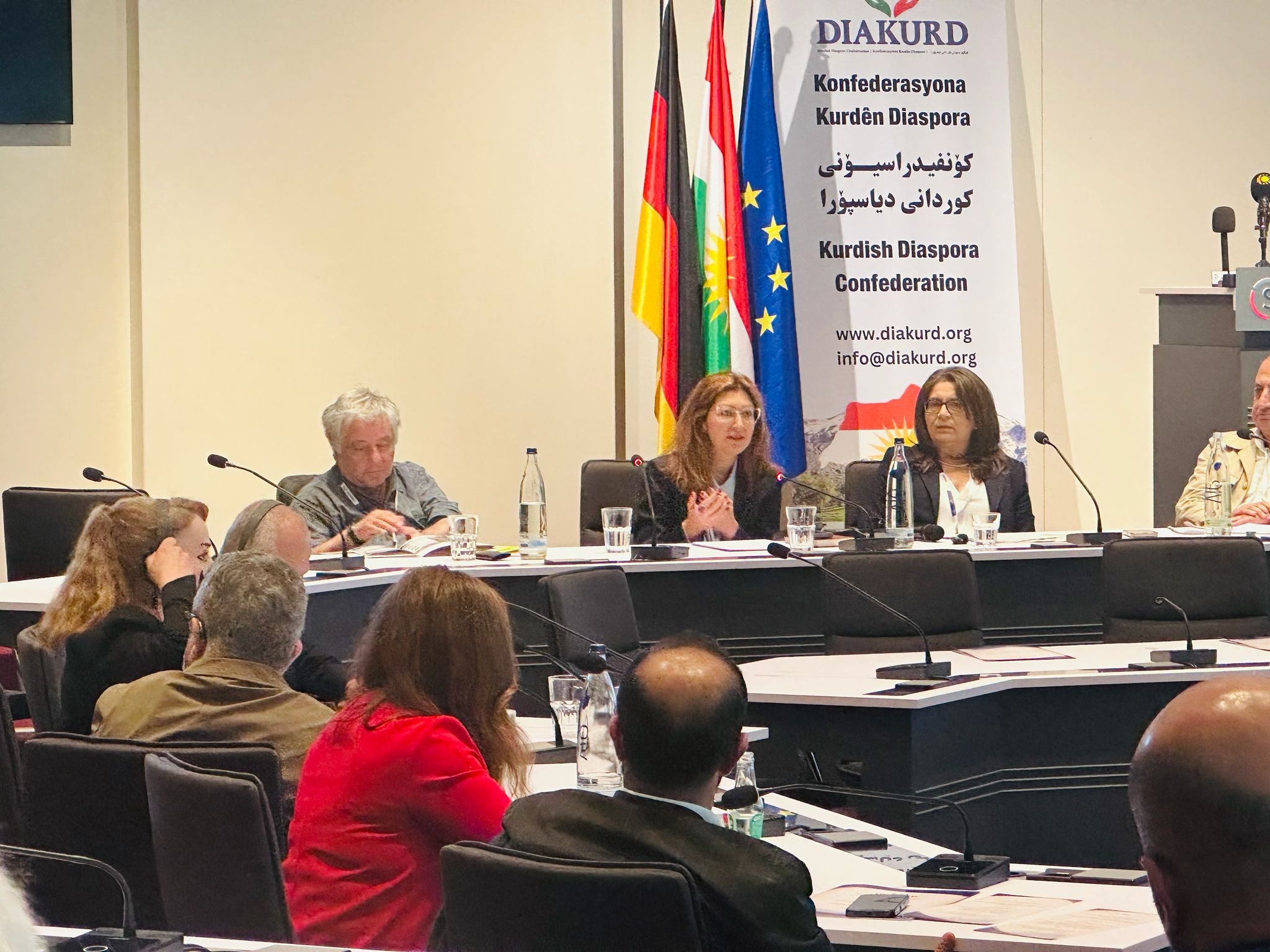
A common perspective that emerged throughout the panel was that defining the diaspora solely as a structure that preserves cultural identity is insufficient under today’s conditions. Today, diasporas have a broad sphere of influence, ranging from scientific production to economic relations, and from cultural diplomacy to international advocacy.
In this context, the concept of “autonomous organization” drew particular attention. Participants emphasized that the long-term success of the diaspora depends on structures capable of operating independently of daily political developments and generating institutional continuity. This is because lasting impact stems not only from mobilization capacity but also from institutional structures capable of ensuring continuity.
Diaspora Diplomacy and International Visibility
One of the conference’s key areas of discussion was the role played by diasporas in international politics and the limits of that role. In particular, Prof. Dr. Bahar Baser’s assessments revealed that diasporas’ capacity to generate international visibility and influence is steadily increasing today.
However, it was specifically emphasized that this situation should not be interpreted as diasporas replacing state diplomacy. Inter-state diplomacy encompasses a broad and institutional field ranging from economic relations to security policies, and from international law to geopolitical interests. The influence of diasporas, on the other hand, manifests primarily in their capacity to shape public opinion, raise awareness, gain access to decision-making processes, and enhance international visibility.
From this perspective, the Kurdish diaspora has accumulated significant experience in representation over the past four decades. Its network of relationships—extending from the European Parliament to national parliaments, from local governments to human rights organizations and academic circles—has played a key role in raising the international profile of the Kurdish issue.
However, one of the key points emphasized throughout the conference was the distinction between visibility and impact. While gaining recognition for an issue in the international public sphere is a significant achievement, transforming this visibility into institutional and sustainable outcomes requires a separate capacity. This is precisely one of the fundamental challenges facing the Kurdish diaspora: the ability to transform visibility into lasting impact.
In this context, the diaspora’s future role is not limited to advocacy activities alone. Areas such as knowledge production, policy development, building networks of expertise, conducting cultural diplomacy, and bridging gaps between different actors are also gaining increasing importance.
The conference also highlighted the role that diasporas can play in conflict resolution and peace processes. References to the Irish experience, in particular, demonstrate that diasporas can function not only as bearers of political demands but also as facilitators in processes of dialogue and reconciliation. This approach offers an important perspective that broadens the scope of roles the Kurdish diaspora could assume in the future.
From Identity Politics to Institutional Power
The discussions that emerged at the Bonn Conference indicate that a new phase has begun in the historical development of the Kurdish diaspora in Europe. After nearly half a century of migration, the diaspora is seeking to move beyond being merely a community striving to preserve its identity and gain visibility.
This does not mean that identity and memory have lost their importance. On the contrary, the assessments made throughout the conference have shown that collective memory and cultural belonging continue to be the fundamental pillars of the diaspora. However, a new layer is now being added to these foundations: institutional capacity.
Today, effective diasporas are not merely communities that carry the memory of the past. They are also structures that establish research centers, generate knowledge, build economic networks, organize expertise, and achieve visibility in international policy arenas. The primary task facing the Kurdish diaspora is to transform its human capital into such sustainable institutional structures.
One of the most significant findings to emerge during the conference is that the Kurdish diaspora has today reached one of the highest levels of education, expertise, and professional capacity in its history. However, the real issue is how this accumulated potential can be organized and institutionalized in line with common goals.
Consequently, in the coming period, the success of the Kurdish diaspora will be measured not only by how visible it is, but also by how well it can institutionalize itself, how effectively it can coordinate, and to what extent it can generate sustainable impact.
In this regard, the Bonn Conference is not merely a meeting to assess the current state of the diaspora; it is also an expression of the search for a new paradigm. The central question of the conference is clear: Can the Kurdish diaspora move beyond identity-based mobilization to build institutional power, knowledge production, and the capacity for transnational influence?
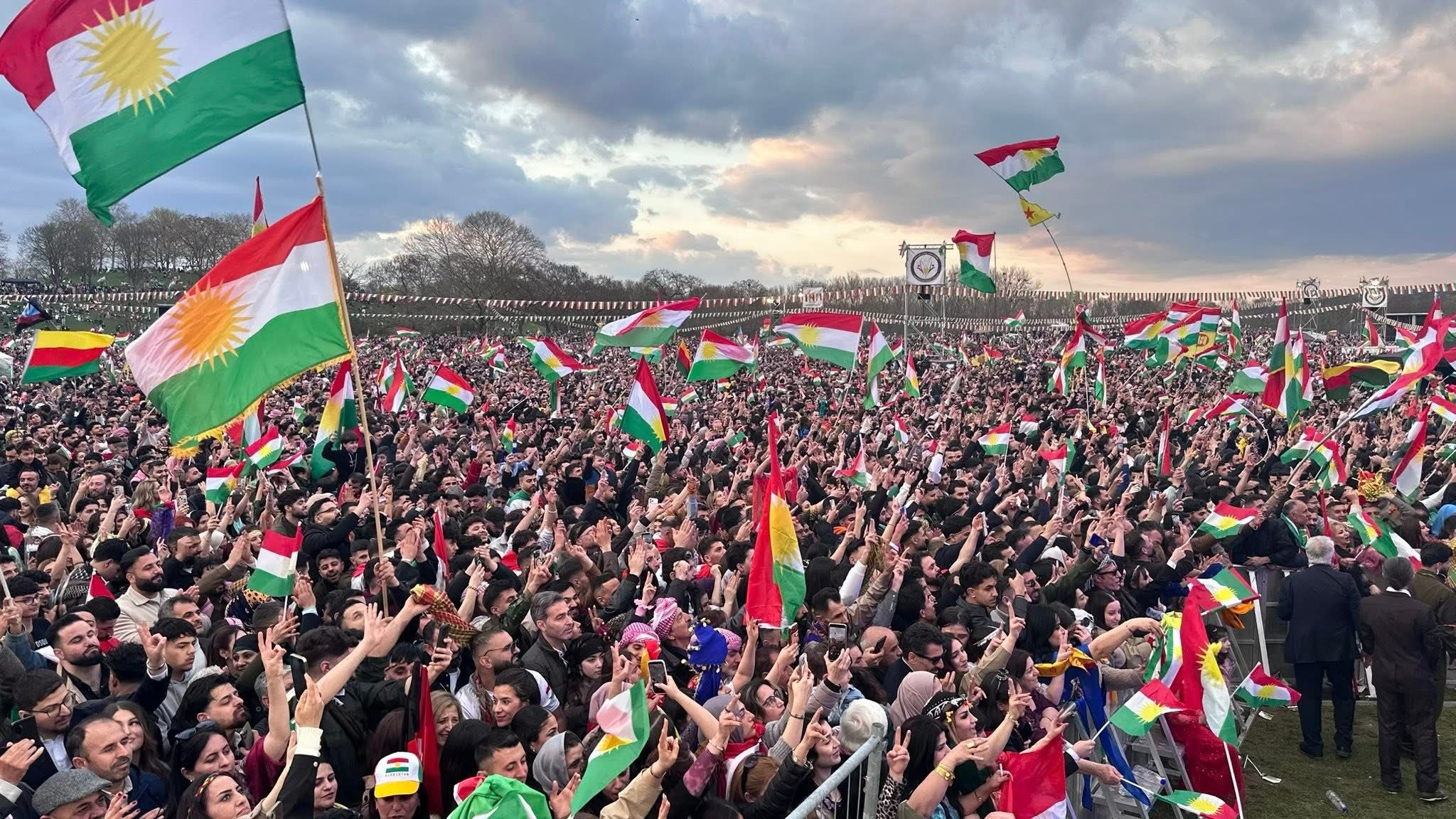
The answer to this question will shape not only the future of the Kurdish diaspora in Europe but also, more broadly, the Kurdish nation’s capacity for organization and international influence on a global scale.